
6 Things High Achievers Need to Unlearn

I have been a high achiever all my life.
And in many ways, it has served me well.
Achievement brought opportunities, growth, experiences.
It helped me build resilience.
Discipline.
Drive.
But it also brought suffering when achievement became the way I measured my value.
When rest felt unproductive.
When slowing down created guilt.
When pushing harder became the norm.
For a long time, I operated from what I would now call an unhealthy achiever pattern.
I know I’m not the only one.
Many high achievers are struggling from patterns that once helped them succeed… but no longer support the life or leadership they want to create.
At some point, growth stops being about doing more.
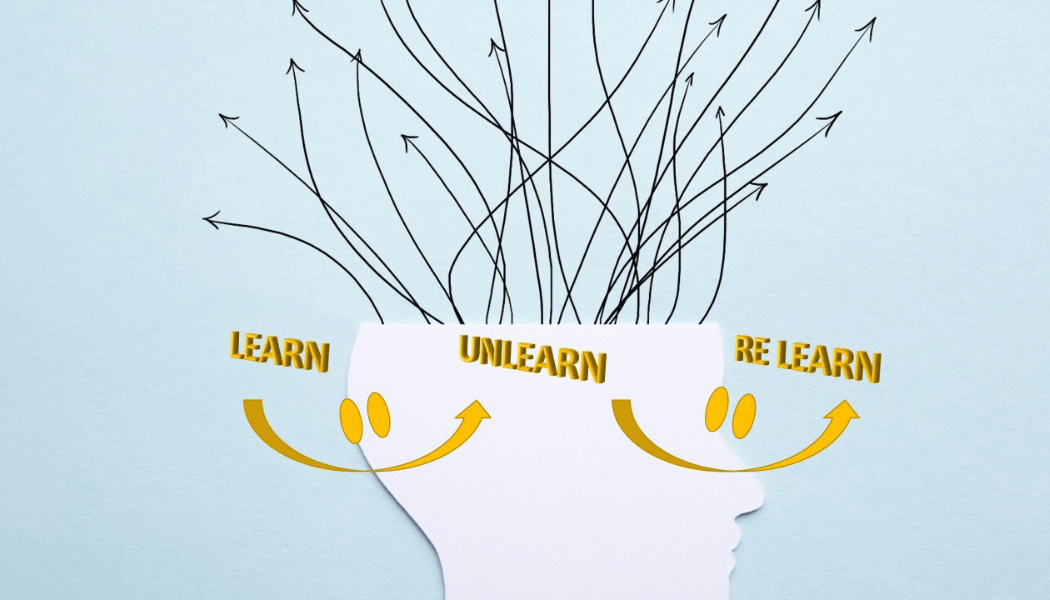
And starts becoming about unlearning what no longer serves you.
Here are some of the biggest things I’ve had to unlearn myself (and am still unlearning).
1. Rest Is Earned
Many high achievers treat rest like a reward.
Something that only becomes available after the work is done.
After the inbox is cleared.
After the goals are met.
After exhaustion finally forces a stop.
But rest was never supposed to be earned.
Recovery is what makes sustainable performance possible.
The nervous system cannot operate at full capacity indefinitely.
And yet many people only allow themselves to slow down once the body starts breaking down.
That is not discipline.
It is disconnection.
2. Rushing Makes You More Productive
Overwhelm rarely slows high performers down.
It speeds them up.
They move faster.
Think faster.
Stack more tasks.
Push harder.
Over time, many people become physiologically attached to urgency itself.
Because operating in constant rush creates a cocktail of stress chemicals the body can become familiar with, even addicted to.
Rushing creates the illusion of control.
But physiologically, the opposite is happening.
When the nervous system enters chronic urgency, perception narrows.
Decision quality decreases and creativity drops.
You become less precise, not more effective.
The body shifts into survival mode.
And survival is not where your best thinking lives.
3. Speed Equals Efficiency
Many people have confused speed with effectiveness.
But fast is not always efficient.
Often, speed creates:
misalignment
reactive decisions
avoidable mistakes
Slowing down can feel deeply uncomfortable for high achievers because stillness often feels unfamiliar.
Slow creates clarity.
And clarity creates momentum.
And sometimes slow is fast.
4. Your Value Comes From Achievement
This is one of the deepest patterns high performers carry.
The belief that worth is tied to output.
Being useful.
Being productive.
Being needed.
Over time, achievement becomes identity.
And when identity becomes fused with performance, rest starts feeling uncomfortable.
Doing nothing feels threatening.
Many people do not actually know who they are outside of achievement.
You are still valuable when you do absolutely nothing.

5. Feeling Tired Is Part of Success
Burnout has become so normalised that many people treat it like proof of ambition.
But burnout is not a badge of honour.
Burnout is often the consequence of ignoring the body for too long.
The body always keeps score.
Long before burnout appears, the signals are already there:
- Fatigue
- Irritability
- Disconnection
- Difficulty switching off
- Loss of clarity
Burnout is not the first sign.
It is the final symptom.
What Real Growth Requires
At some point, growth becomes less about learning more strategies and starts becoming more about understanding the system implementing them.
That means learning to identify:
- Unconscious patterns
- Somatic resistance
- Subconscious beliefs
- Nervous system responses
- Emotional blockages
Real growth requires more than intellectual understanding. It requires developing the awareness to recognise what is unconsciously getting in the way… And the capacity to dissolve it.
Sometimes growth is not about pushing harder.
It is about dissolving what is unconsciously preventing movement in the first place.
6. Sacrificing for Success Is Noble
High-performance culture often glorifies sacrifice.
Sleep less.
Work more.
Push harder.
Sacrificing your health, relationships, joy, or peace for achievement is not noble.
It is simply unsustainable.
And honestly?
Very silly.
Because success becomes very difficult to enjoy when your nervous system no longer knows how to feel safe, present, or at ease inside your own life.

The Real Shift
The challenge is that many of these patterns are not purely intellectual.
They are physiological.
Emotional.
Somatic.
You cannot simply “mindset” your way out of them.
This is why awareness alone is often not enough.
The body also needs to feel safe:
- slowing down
- resting
- being seen
- existing without constant achievement
Final Thought
Real change happens when we stop working purely at the level of strategy and begin working with the whole system.
Mind and body.
Thoughts and physiology.
Awareness and embodiment.
The next level of leadership is not built through more force.
It is built through greater awareness, deeper regulation, and the capacity to work with yourself instead of against yourself.
Read More here:

Why Strategy Alone Doesn’t Create Results
The Somatic Side of Growth I see it often in my work. A client knows exactly what to do. The strategy is clear. The next step is obvious. And yet, when it’s time to act, something resists. Execution is inconsistent. Visibility fluctuates. Momentum comes in waves. This...

Leadership Presence Begins in the Body
Why Awareness Shapes Authority In business, the word agile appears everywhere. Agile leadership. Agile organisations. Agile strategy. We use the word constantly to describe the ability to adapt quickly. To move with change. To respond to complexity. But there is...

Work-life balance is a myth
So is hustle cultureThe False Binary Most high-performing leaders already know this. You do not want a rigid nine-to-five structure. You do not want to switch off at 5pm simply because someone once decided that was “healthy”. You might love working at night. You might...